

Revolutionizing Urban Mobility
The concept of smart cities is evolving rapidly, and with it, a new era of transportation is emerging. As cities grow more congested, the need for efficient, sustainable, and futuristic solutions becomes crucial. One of the most promising developments is the integration of drone logistics and urban air mobility (UAM) systems. These technologies have the potential to redefine how goods and people move through cities, addressing current challenges such as traffic congestion, air pollution, and delivery delays. But how feasible is it to integrate these systems into existing urban infrastructures, and what challenges must be overcome?
Drone Logistics: A New Frontier in Delivery
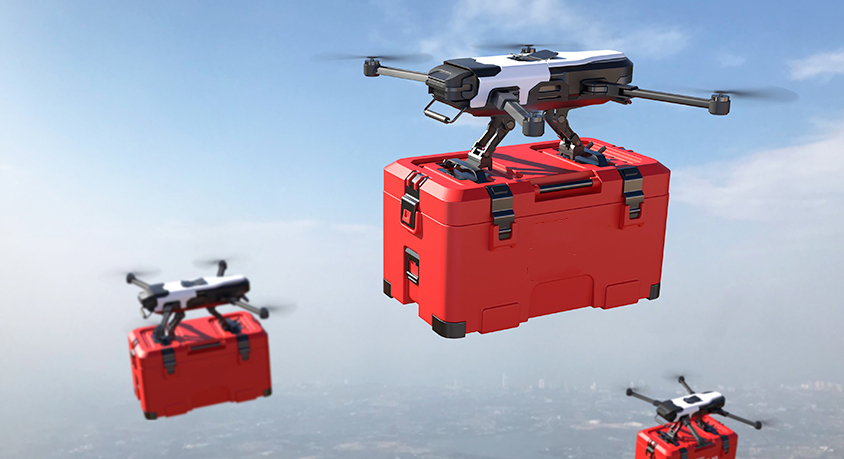
Drone logistics is one of the most talked-about applications in the future of urban mobility. The idea is simple: drones would carry packages from distribution centers to customers, bypassing ground traffic altogether. However, this concept hinges on several critical factors to become viable on a large scale.
The first challenge is the infrastructure required to support drone delivery systems. Drones need landing zones, charging stations, and air traffic control systems to avoid collisions with other aerial vehicles. In many cities, the current infrastructure is not designed to accommodate this new mode of transportation, and building it would require significant investment. Moreover, drones would need to comply with strict regulations set by aviation authorities, such as the Federal Aviation Administration (FAA), ensuring safety standards are met.
Another concern is airspace management. As drones begin to occupy urban airspace alongside airplanes, helicopters, and other UAVs (unmanned aerial vehicles), it becomes essential to develop sophisticated air traffic control systems that can manage multiple drones flying at different altitudes, speeds, and locations. Autonomous systems, integrated with real-time data, could play a crucial role in ensuring drones avoid collisions, optimize flight paths, and deliver packages efficiently.
Despite these hurdles, the potential benefits of drone logistics are compelling. Drones can reduce delivery times, decrease road congestion, and cut down on carbon emissions. They could also provide faster access to essential goods, particularly in areas where traditional delivery methods are slow or cost-prohibitive. In rural areas or regions affected by natural disasters, drones could be a lifeline, delivering medical supplies and other crucial items when ground transportation is not feasible.
Urban Air Mobility (UAM): Flying Taxis and Beyond
Urban Air Mobility (UAM) represents an even more ambitious concept: the use of autonomous flying vehicles to transport people within cities. These electric Vertical Take-Off and Landing (eVTOL) aircraft could carry passengers from one part of the city to another in minutes, bypassing ground traffic and offering an entirely new way of moving through urban environments.
For UAM to be successful, however, there are several significant barriers to overcome. Safety is the foremost concern. As with drone logistics, eVTOLs must be designed to meet the highest safety standards. This involves not only the vehicles themselves but also the airspace they will travel through. Integration of eVTOLs into existing air traffic systems without causing interference with commercial aviation or other aerial vehicles is a complex task. Additionally, cities will need to develop “vertiports” or designated landing sites for these flying taxis, and these sites must be strategically placed to ensure accessibility and efficiency.
Another challenge is public perception and acceptance. The idea of flying cars has been a staple of science fiction for decades, but many people may be skeptical of the safety and practicality of urban air mobility systems. Proving the reliability of these vehicles, along with extensive public education and testing, will be necessary to gain the trust of potential users.
However, the potential rewards are considerable. UAM could drastically reduce travel times, particularly in densely populated cities where road congestion is a persistent problem. These systems would also alleviate the strain on public transportation networks, providing an alternative mode of transportation that could be quicker, more direct, and more environmentally friendly. As technology continues to improve, UAM could even reduce the cost of urban air travel, making it accessible to a broader range of people.
Feasibility and Integration into Smart Cities
For both drone logistics and UAM to thrive, they must be seamlessly integrated into smart city ecosystems. Smart cities leverage technology, data, and sustainable practices to improve quality of life and operational efficiency. This includes the development of robust digital infrastructures, advanced traffic management systems, and environmental sustainability efforts.
One of the key components of this integration will be the development of interconnected systems that support both ground and aerial transport. For example, autonomous vehicles and drones could work together to create a holistic transportation network, with drones handling last-mile deliveries while autonomous vehicles transport goods to and from distribution hubs.
Moreover, city planners and policymakers must consider how to balance the benefits of new technologies with the needs of residents. There must be careful planning around noise pollution, privacy concerns, and potential disruptions to everyday life. Public engagement and transparency will be crucial to ensuring that these new technologies are implemented in ways that benefit everyone.
A Bold Step Forward
The future of urban mobility is undeniably exciting, and the integration of drone logistics and urban air mobility into smart cities represents a leap forward in transportation innovation. However, the path to realizing this future will require overcoming significant technical, regulatory, and societal challenges. By investing in the right infrastructure, developing intelligent air traffic control systems, and building public trust, cities can pave the way for these technologies to reshape the way we live and move. As technology continues to advance, the dream of efficient, sustainable, and futuristic transportation systems may not be far off, offering new possibilities for urban living and mobility.
Disclaimer: Mention of any brand or trademark is for identification purposes only and does not indicate any partnership or endorsement.
