

The 2024 Nobel Prize in Physics has been awarded to John Hopcroft and Geoffrey Hinton for their foundational work in artificial neural networks (ANNs). This recognition highlights their significant contributions to understanding how these networks can mimic the human brain's neural architecture. Their research, which began in the 1980s, has paved the way for advancements in various scientific fields, showcasing the profound impact of artificial intelligence on modern physics.
The Role of Artificial Neural Networks
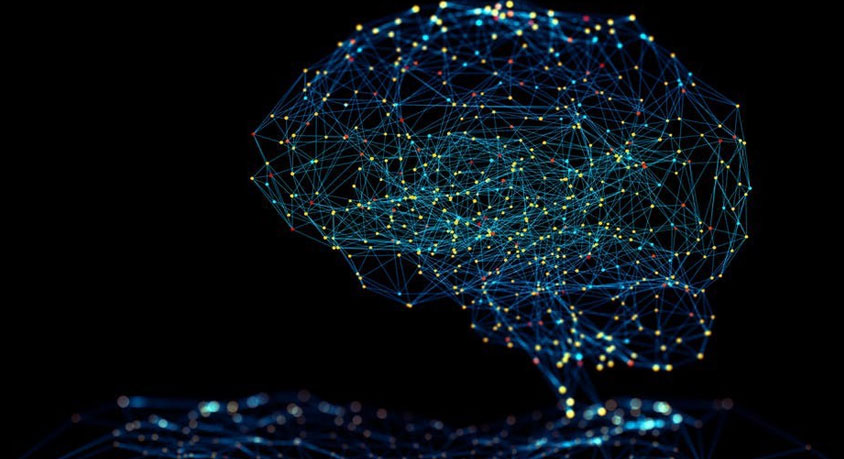
Artificial neural networks are computational models that simulate the way human brains operate. These systems are designed to recognize patterns, making them invaluable for analyzing large datasets. The Nobel Prize committee noted that the winners utilized statistical physics concepts to develop these networks, allowing them to find correlations in extensive data sets. This capability has become increasingly important in fields such as particle physics, materials science, and astrophysics, where massive amounts of information need to be processed efficiently.
Transforming Scientific Research
The application of ANNs in scientific research has yielded remarkable results. In particle physics, for instance, ANNs have been instrumental in identifying new particles by analyzing data from high-energy experiments. Similarly, in materials science, these networks help predict the properties of new materials, accelerating innovation. The ability to uncover complex relationships in data not only enhances research outcomes but also fosters a deeper understanding of fundamental physical principles.
Everyday Applications of ANNs
The influence of artificial neural networks extends beyond scientific realms into everyday life. From voice recognition systems in smartphones to personalized recommendations on streaming platforms, ANNs play a crucial role in various technologies. Their capacity to learn from data allows for improved user experiences, making technology more intuitive and accessible. This widespread application underscores the importance of the Nobel laureates' work, as it contributes to innovations that enhance our daily interactions with technology.
Ethical Considerations and Future Directions
As the use of artificial neural networks continues to expand, ethical considerations come to the forefront. The potential for bias in algorithms and the implications of data privacy must be addressed as these technologies become more integrated into our lives. The recognition of Hopcroft and Hinton serves as a reminder of the responsibility that accompanies technological advancements. It is essential for researchers and developers to ensure that ANNs are designed and deployed ethically to maximize their benefits while minimizing risks.
The 2024 Nobel Prize in Physics honors the remarkable achievements of John Hopcroft and Geoffrey Hinton in the field of artificial neural networks. Their groundbreaking work not only advances scientific understanding but also shapes the technologies that influence our daily lives. As we look to the future, the continued exploration of ANNs will likely lead to further innovations, enhancing both our scientific capabilities and everyday experiences. The legacy of these pioneers will undoubtedly inspire future generations in the realms of science and technology.
Disclaimer: Mention of any brand or trademark is for identification purposes only and does not indicate any partnership or endorsement.
