In an era where mobile devices and wearable technology are ubiquitous, concerns about battery life often plague consumers. Battery anxiety—a term describing the fear of running out of battery on essential devices—has become a common experience for many. However, innovative advancements in technology are paving the way for a potential solution: skin charging. This groundbreaking concept explores the possibility of using the human body as a power source, potentially alleviating battery-related worries and revolutionizing how we think about energy consumption.
The Concept Behind Skin Charging
Skin charging technology relies on the principles of bioelectronics and energy harvesting. The idea is to harness energy produced by the human body, including heat and motion, to charge devices such as smartphones and wearables. Researchers have discovered that the skin can serve as an effective medium for energy transfer, using techniques such as triboelectric nanogenerators (TENGs) and biofuel cells. These technologies capture energy from actions like walking, stretching, or even body heat, converting it into usable electrical energy to power devices.
How It Works
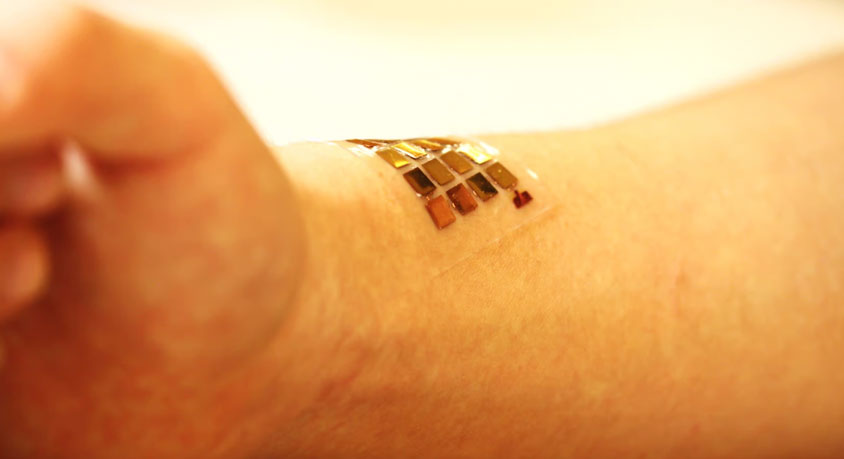
A significant focus of skin charging research is on the development of lightweight, flexible materials that can be applied directly to the skin or integrated into clothing. TENGs, for example, generate electricity by exploiting the friction between surfaces in motion, while biofuel cells convert biochemical reactions from sweat or other bodily fluids into energy. By incorporating these technologies into wearable devices, it becomes possible to create a self-sustaining system that can continuously recharge without the need for traditional power sources.
Potential Applications and Benefits
The implications of skin charging technology are vast and impactful. For consumers, the most immediate benefit would be the elimination of battery anxiety. Imagine a world where personal devices could draw energy from the body, staying charged throughout the day without requiring external power sources. This advancement not only enhances convenience but also redefines our interaction with technology, paving the way for more continuous and unobtrusive usage.
Beyond personal devices, skin charging holds promise in various fields, including healthcare. Wearable medical devices equipped with skin charging technology could provide continuous health monitoring without the constant need for battery replacements. Moreover, in remote or underdeveloped areas where traditional power sources are scarce, this technology could enable essential devices to remain powered and functional, promoting better access to information and communication.
Challenges and Considerations
While the potential of skin charging is exciting, several challenges must be addressed before it can become mainstream. Safety and biocompatibility are primary concerns, as any technology applied to the skin must be safe for human use over extended periods. Additionally, advancements in energy efficiency and power output are necessary to ensure that skin-charging devices can compete with traditional charging methods. Research is ongoing to optimize these factors and make skin charging practical and user-friendly for everyday applications.
As technology continues to evolve, the prospect of skin charging indicates a shift towards more sustainable and efficient energy solutions. By harnessing the natural energy produced by our bodies, we could bid farewell to battery anxiety, empowering users to engage with their devices without interruption. While there are hurdles to overcome, the journey toward realizing skin charging technology holds great promise. As we look to the future, innovations like skin charging could redefine our relationship with technology, making power consumption more intuitive and less reliant on conventional energy sources.
Disclaimer: Mention of any brand or trademark is for identification
purposes only and does not indicate any partnership or endorsement.